
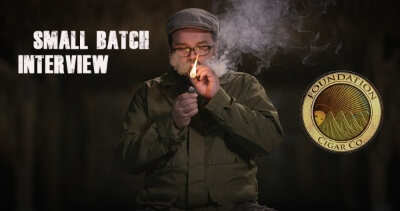
How’d you get started in the cigar business? What was your A Ha moment that made cigars your passion?
I started in the cigar business in August of 1996 running the humidor of the Calabash Shoppe in Hamden, CT. I worked for two incredible ladies, Mary Russo and Carol Velardi, whom had opened the store with their husbands in the 1970’s. 1996 was the height of the cigar boom and I was fortunate to be hired and the ladies placed a lot of confidence in my palate and knowledge of the market. They had just returned from the RTDA (now the IPCPR) show and handed me too very large bags of samples and asked me to make some decisions on what to bring into the humidor.
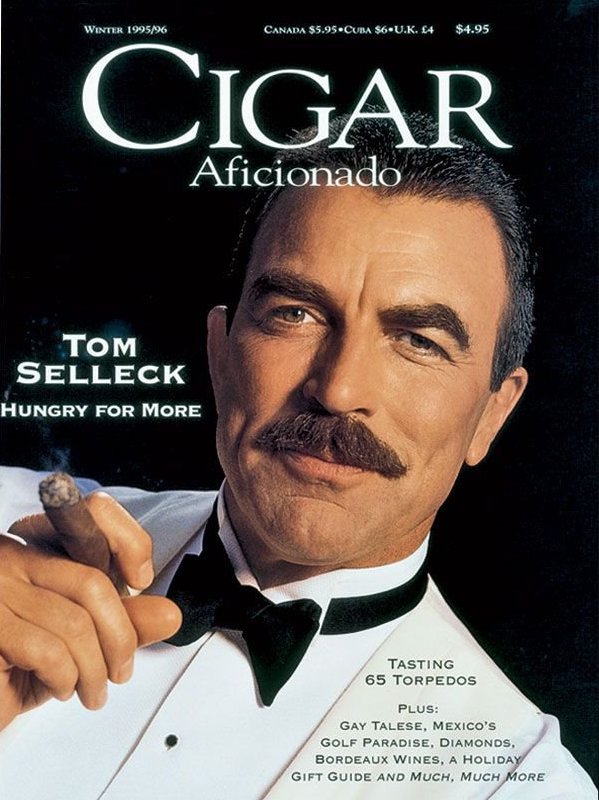
Picture of the infamous Cigar Aficionado issue that sparked Nicholas Melillo
The A HA moment that made me want to become a cigar maker was the Winter 1995/1996 Tom Selleck issue of Cigar Aficionado. There was an article called Cigar Kings in the back of the magazine on Rolando Reyes Sr., the maker of Puros Indios cigars. Puros Indios was rated 94 that year up there with Opus X and Montecristo and at that time (1995-1996) the vintage crop was unlike no other. It was one of my all-time favorite cigars.
The article began with a description of the factory in Danli, Honduras and the aromas in the air. Rolando Reyes was 74 at the time and would out work anyone on his team. He was involved in every step of the manufacturing process – he would oversee the fermentation, production, quality control, and even the packing of the shipments to the USA. The way the article was written had me hooked and from that moment on I wanted to learn cigar making from its roots. I remember one of the last quotes in the article said something like – “We are concerned with quality, not quantity.”
Your cigars are currently being produced at TABSA and AJ’s factory. What can you tell us about working with these two Titans?
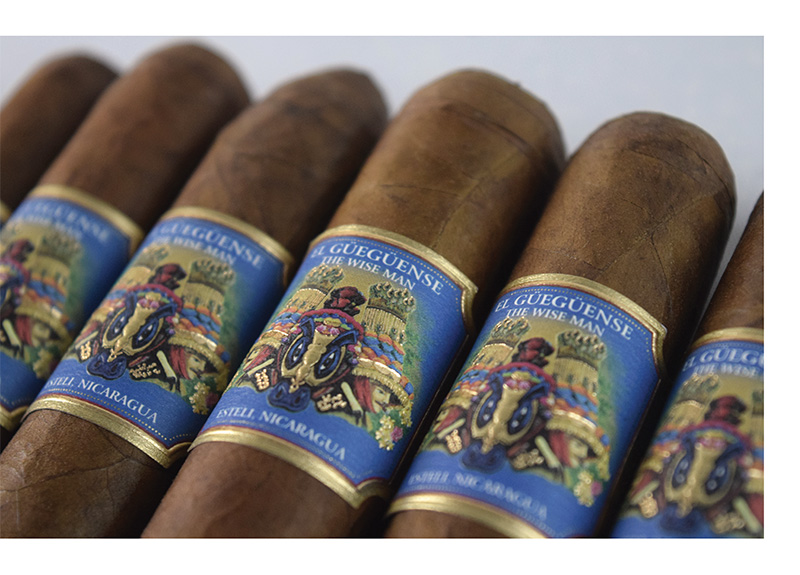
It has been a real pleasure working with both TABSA/Aganorsa and AJ Fernandez. Both factories are incredibly talented and passionate about the industry and cigar manufacturing. For my debut product “El Güegüense / The Wise Man,” I knew I wanted to do a 100% Nicaragua puro and also share with connoisseurs in the market my love for Nicaraguan culture.
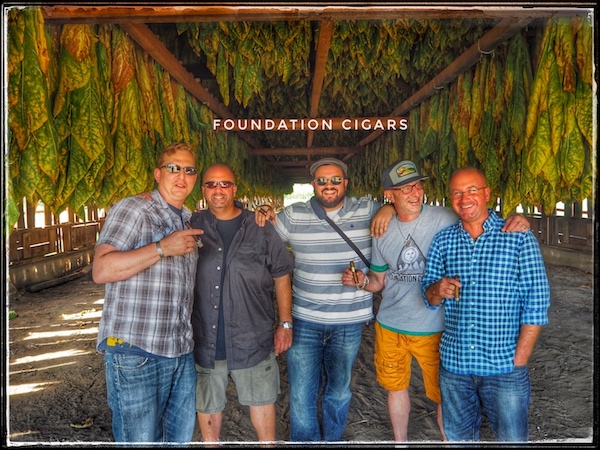
I had become friends with the owner of Aganorsa, Eduardo Fernandez, back in 2003 when I first moved to Nicaragua. I had purchased many bales of tobacco from him over a 12 year period, so I was very familiar with Aganorsa leaf. I had used it in many blends but never made a 100% Nicaraguan blend for the market. My good friend and colleague Dion Giolitto from Illusione had been working out of TABSA for years and has been very successful making cigars there. After meeting him there one day in 2014, I thought it would be the perfect place for my first brand, El Güegüense/The Wise Man.
I knew that TABSA could provide an amazing Nicaraguan wrapper leaf. Many people don’t realize that growing wrapper leaf in Nicaragua is a difficult task. The soil and sun exposure makes it difficult to grow crops that yield thin, silk-like leaves conducive for wrapper. In the 90’s, Eduardo brought a number of Cuban masters from Cuba to Nicaragua to begin to work the fields, such as Arsenio Ramos. After much trial and error in the late 90’s and early 2000’s, they began to perfect the growing of Corojo 99 wrapper in the Jalapa Valley.
They had to grow this seed under shaded tents to filter the light to make for a thinner leaf for wrapper. The tent also creates a micro climate and a higher humidity level which also helps for growing wrapper. As you can imagine, this is much more costly and labor intensive but the results are a beautiful, oily, flavorful wrapper tobacco which I use on El Güegüense.
Eduardo and his son Max welcomed me into the TABSA factory over two years ago and gave me the freedom to operate the way I saw fit. They also invested in re-doing the whole factory aesthetics and materials. I was happy to work aside them both and their team to completely revamp the factory and, today, I think it is one of the premier boutique factories in Nicaragua. I also brought in some close friends from Esteli for quality control and they have fit in perfectly at the factory.
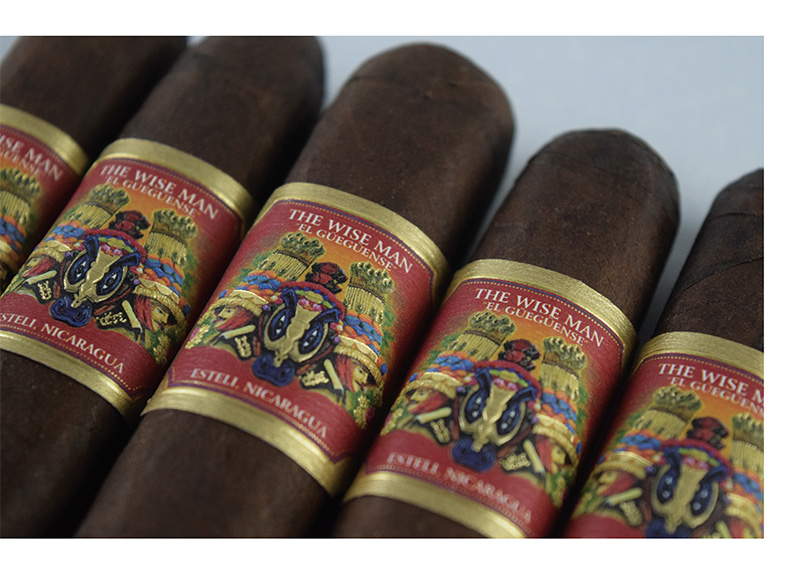
Unfortunately, many foreigners haven’t had the chance to visit and the only time it is really open to public is during the Nicaraguan Cigar Fest which takes place every January in Nicaragua. Most recently, I recently released The Wise Man Maduro / El Güegüense Maduro last year. The Wise Man Maduro uses a San Andres Mexican wrapper leaf, Jalapa Corojo 99 binder and fillers from Esteli, Condega, and Jalapa. I tweaked this blend accordingly due to the wrapper change and I believe the San Andres has added a whole new level of depth and complexity to this cigar. We received top 10 award from Cigar Noise (video link) which is also a great honor for us.
Now at the AJ Fernandez factory, I currently produce The Tabernacle, Charter Oak , and the new Highclere Castle blends. I have been friends with Abdel Fernandez for many, many years and have always admired his passion and love for tobacco and cigars. When I first started working in Nicaragua for Drew Estate in 2003, we operated out of Nick Perdomo’s old house and the back was kicked out as a production floor.
We knocked down many walls over the course of four years and built new rooms, completely expanding the building as much as possible. By July 2007 we had maxed out the space and moved in to what is now the current DE factory in the Oscar Gomez neighborhood of Esteli. As we moved out of the building, Abdel Fernandez moved in and within the same amount of time he completely out grew the space and built an amazing new factory where he operates today.
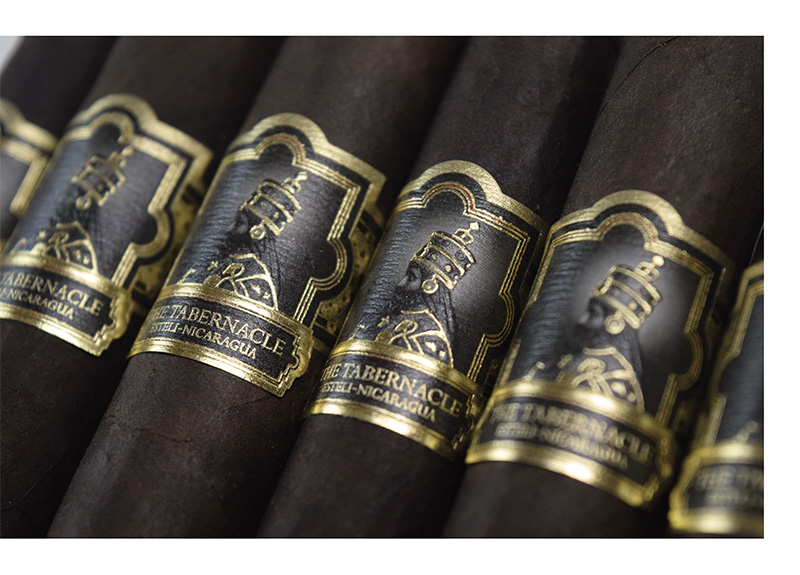
Abdel also began to expand his growing operations in Esteli and began growing on a farm just 4 kilometers north of town called Soledad. This farm holds very special importance to me because in May of 2003 it was my first home in Nicaragua. I moved out of this farm house in 2006 and had always wanted to use tobacco from this field in one of my own blends, which I eventually did for my Tabernacle blend.
Where some factories specialize in certain tobaccos, Abdel has one of the most amazing inventories of tobaccos from around the world. I had come from a similar type of operation having helped build Drew Estate’s production and tobacco inventories to be one of the largest in Nicaragua. In the fall of 2014, I had purchased a crop for Abdel which he began fermenting which would become the wrapper leaf for The Tabernacle and Charter Oak broadleaf. I knew in order to make the CT Broadleaf cigar that I wanted, I’d have to work with someone where time was not a factor and Abdel was just the person.
Jamaica, Nicaragua, Ethiopia, and the state of Connecticut have influenced your Foundation Cigar Company. What are some of your favorite moments from each location?
My highlight of going to Jamaica was definitely Feb. 6th 2015 – Bob Marley’s 70th birthday celebration. I was in Nicaragua working on El Gueguense and hadn’t taken a vacation in a while so I booked a last minute trip from Managua to Kingston. I figured I would go and spend the day at Bob’s house on 56 Hope Rd. which had become a museum.
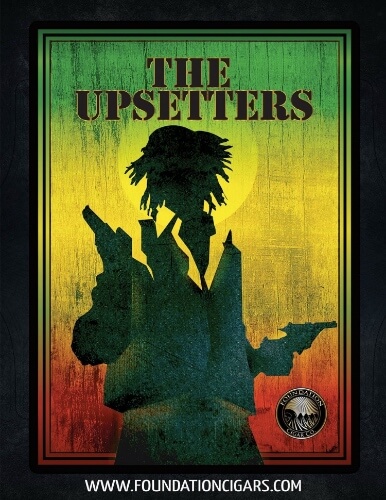
I showed up that morning not realizing that a huge celebration had begun at 12am with drum chanting and had been going straight with no stopping until I arrived at 9am. By the end of the night I hung around and relaxed. Most people had left by that time and I happened to see a gentlemen pull out what looked to be a whole tobacco leaf from his pocket. He began breaking it up and blending it with his cannibis and of course I had to inquire where he got it. I then learned that many people were still growing the native Cow Tongue tobacco indigenous to the island in the mountains of Jamaica. Over the next week I journeyed into the hills and mountains and was able to source some leaf that we use in our Upsetters brand.
Although I haven’t been to Ethiopia yet, it has played a very significant part in my life and understanding of the world. In the year 2000 I lived in Rome, Italy and worked with many Ethiopian and Eritrean peoples. Growing up, all I knew about Ethiopia was starvation. This is what the majority of the people think when they hear Ethiopia and this is due to the communist takeover in 1974.
Before 1974, Ethiopia had a 3,000 year lineage and history of Kings and Queens that goes back to the time of the Queen of Sheba and King Solomon. I found this history fascinating because scientists have found the first bones of Homo sapiens from this region and the Bible also describes it as the garden of Eden in the first books of Genesis. Not only this, but science is now able to trace through every race’s mitochondrial DNA that we come from a single female in Ethiopia. Ethiopia is a Greek word that means “those darkened by the sun.”
In 1935, Mussolini invaded Ethiopia, which was the only independent country in Africa at the time. He stole a very important obelisk from the ancient city of Aksum and placed it at the head of the circus Maximus in Rome. I lived half a block from it in 2000 and would attend vigils with many Ethiopians who wanted it returned. The Italians refused until on May 27th it was struck by lightning. I remember waking up the next day and seeing a top portion was blown off. After this event the Italians agreed to return it. It took until my birthday April 25th, 2005 until the final piece was returned. It cost the Italians close to 8 million and was one of the heaviest objects transported via plane.
Ethiopians claim to possess the Ark of the Covenant and, after many years of my own research, I believe this is very plausible. Hence the imagery of Haile Selassie, the last king of Ethiopia, on my Tabernacle blend.
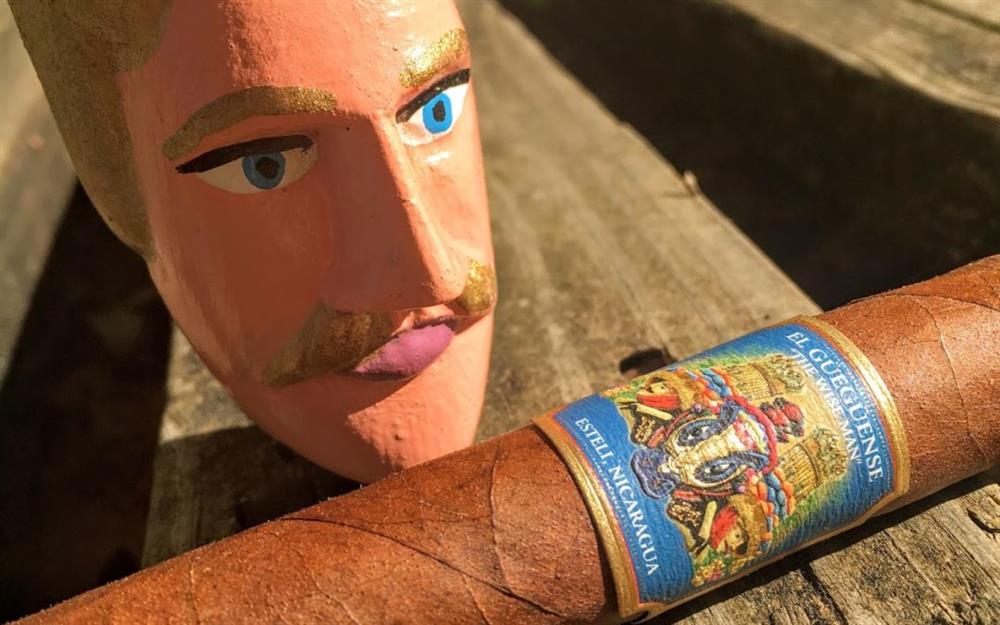
Picture of the El Gueguense mask featured in the Nicaraguan dance and play
Nicaragua has been my home since 2003 and its culture and people have had a great effect on everything I do in the cigar industry. For instance, I had seen the dance and play of El Gueguense everywhere in Nicaragua. It wasn’t until I traveled to a town called Diramba and saw this dance for the first time that the true Nicaragua came into view.
It is the oldest indigenous satire of the Western Hemisphere and recognized by UNESCO as a culture treasure. UNESCO protects the pyramids of Giza and El Gueguense but many have never heard of it before. People know more about war and tribulations in the country so I thought it was important that people know this word - even if they have trouble pronouncing it.
You’re aptly nicknamed the Chief of the Broadleafs. What goes into your selection and blending choices when working with Broadleaf for your collection?
Broadleaf from CT has an incredible natural sweetness and earthy characteristics that is unlike any other tobacco in the world. It is the CT river and the sand loam soil in the valley that makes this so, as well as the seed itself. The combination of this wrapper and the rich, complex, and deep flavors of Nicaraguan tobaccos makes for an incredibly tasty cigar. Since the Broadleaf wrapper is so thick and veiny you are able to use heavier filler tobaccos without making the blend too aggressive or over powering. The Broadleaf helps buffer the strength and rounds it out, while at the same time adding those sweet, earthy tones.
Picture of Foundation Cigar's relatively new Field Office in Connecticut
I have worked with filler tobaccos from all over Nicaragua for 15 years now and am fortunate to work with great farmers and suppliers that I can access leaf that I love. I have also been able to work in the CT valley for these years. It’s my back yard and we established our corporate offices on a 50 acre tobacco field in Windsor, CT just about a year ago now.
When I moved to Nicaragua, I was 24yrs old and was amongst many Cuban legends but I always knew I could hold my head high being from Connecticut because its history rivals that of all the great cigar tobacco growing regions in the world. The Nica - CT combination is unlike no other...
Let’s talk about Foundation Coffee! What’s the reception been like for a brand that’s most known for making cigars?
Coffee and cigars go hand in hand for me. Many of the natural flavors in cigars and the tobaccos I love the most have a lot of coffee characteristics. My morning ritual on the production floor involves a cup of coffee and checking the previous day’s production. It just seemed natural to have our own coffee line.
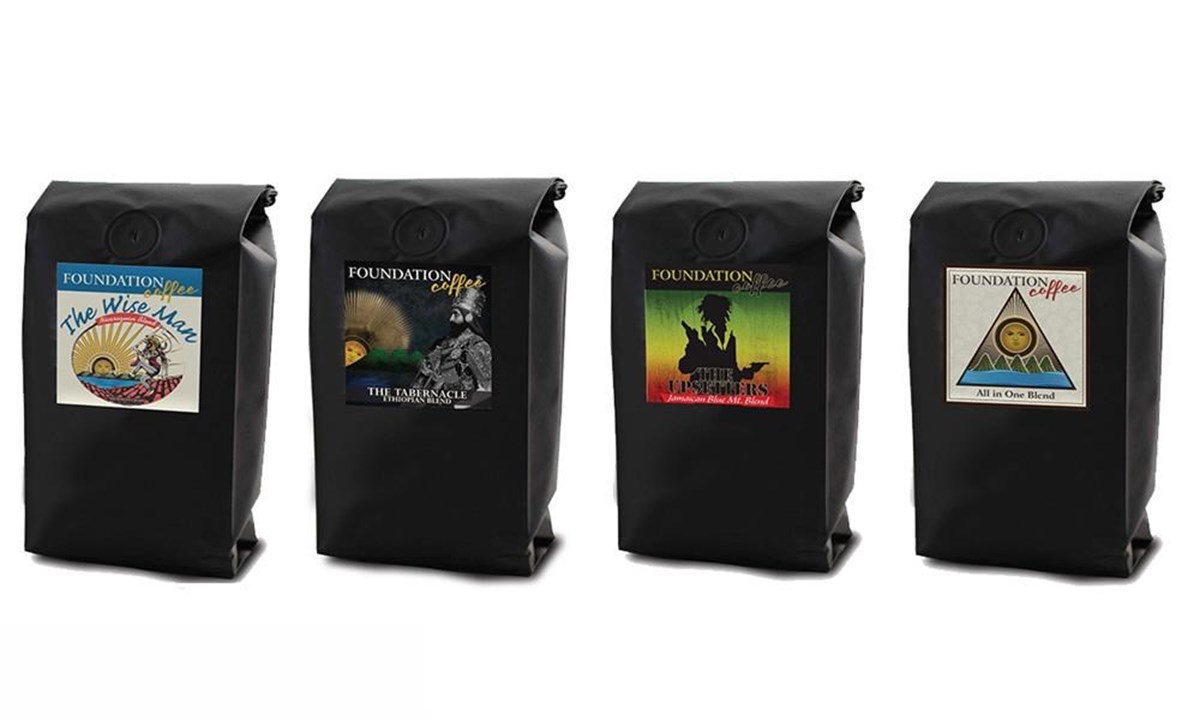
There are many opportunities that come your way and I have always been very conscious to make sure my cigar brands come first but coffee was a no-brainer. I was fortunate to link up with Layne coffee and after tasting different blends from Nicaragua, Jamaica, and Ethiopia it just made sense to develop coffees that paired well with The Wise Man, The Upsetters, and The Tabernacle.
Having lived in Nicaragua all these years I haven’t had access to bourbons and scotch and in general I am not a big drinker. For me, a well roasted and brewed cup of coffee with the right cigar is the perfect pairing. We are currently distributing our coffee to shops throughout the country and I am happy to announce we just started selling Foundation Coffee online here at Small Batch Cigar and Layne Coffee!


Leave your comment