
Have you smoked something that blew your mind and want to find something similar? This is for you! Here are some clues to look for that will aid you in your search.
Consider The Wrapper
Much like the cover of a book, it’s unfair to assume that cigars sporting the same wrapper will taste alike because the wrapper is only one piece of a cigar’s recipe. But it’s equally fair to assume that blenders using certain wrappers naturally tend to gravitate towards a certain profile.
For instance, Broadleaf wrappers will probably contain measures of earth with a natural sweetness because that’s what people who smoke Broadleaf enjoy. Likewise, Mexican San Andres wrappers impart hints of cocoa and spice. And Connecticut shade wrappers are usually milder with lots of cream and woodsy tasting notes.
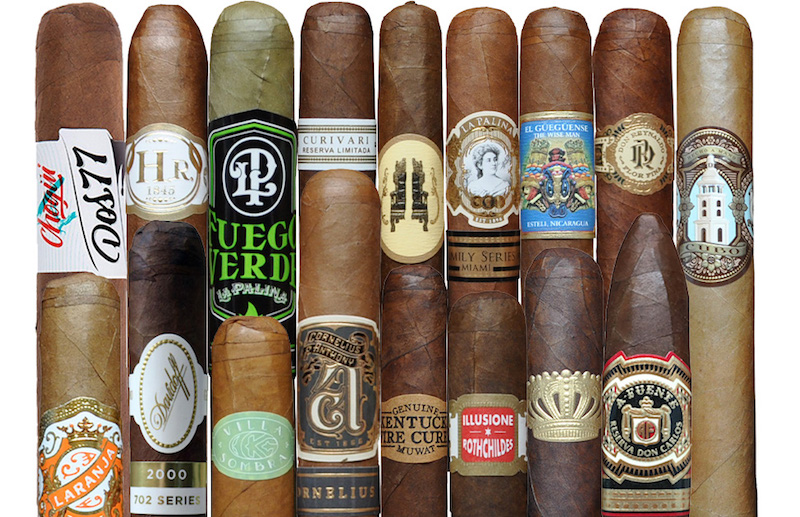
If you want to try other cigars that taste similar to what you just enjoyed, start by finding out what type of wrapper was used. But these aren’t steadfast rules, however, as Master Blenders have lots of tools at their disposal to throw curve balls into the mix. In a way, cigars are like ice cream: you only really know what they’re like once you’ve tasted it.
Size Matters
As we’ve detailed in a previous FAQ: Do Cigar Sizes Matter?, different sizes tend to smoke differently.
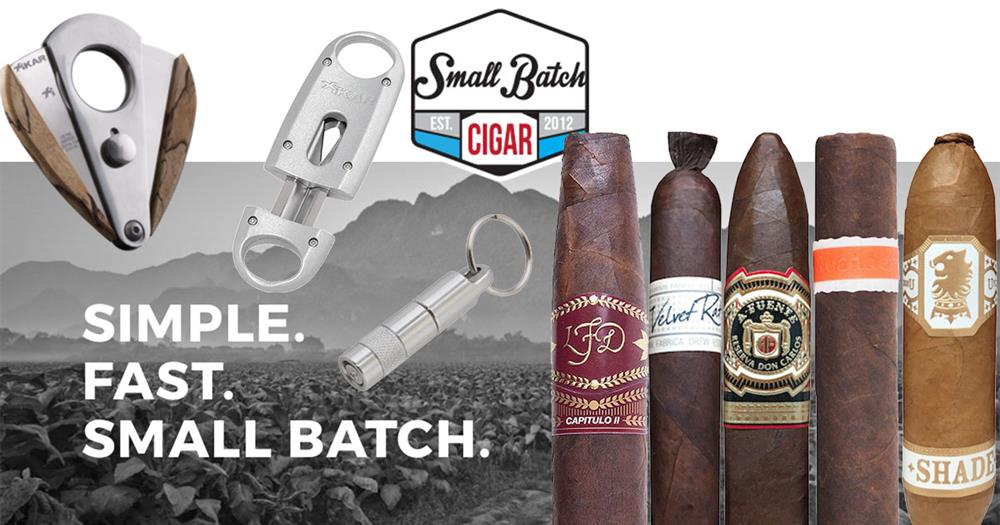
If you previously enjoyed a Toro sized cigar and want to find others that taste similar, it’s fair to say that your best bet is to start with other Toro sized cigars. Drastically changing up the vitola while on the hunt for similar cigars may set you up for failure unless you know how size affects your smoking experience.
Get to Know The People Behind the Brand
The Factory and person behind it is an important clue in finding similar cigars. Not only are some factories limited in the tobacco they work with, but they’re also producing for Master Blenders and Brand Owners that have distinctive tastes.
For example, James Brown of Black Label Trading Company consistently produces cigars that are in line with his core brand including flavor profiles, branding, and sizes. If you are looking to find a cigar similar to a BLTC or Black Works Studio smoke, it’s likely that you’ll immediately find another favorite within his brand and factory.
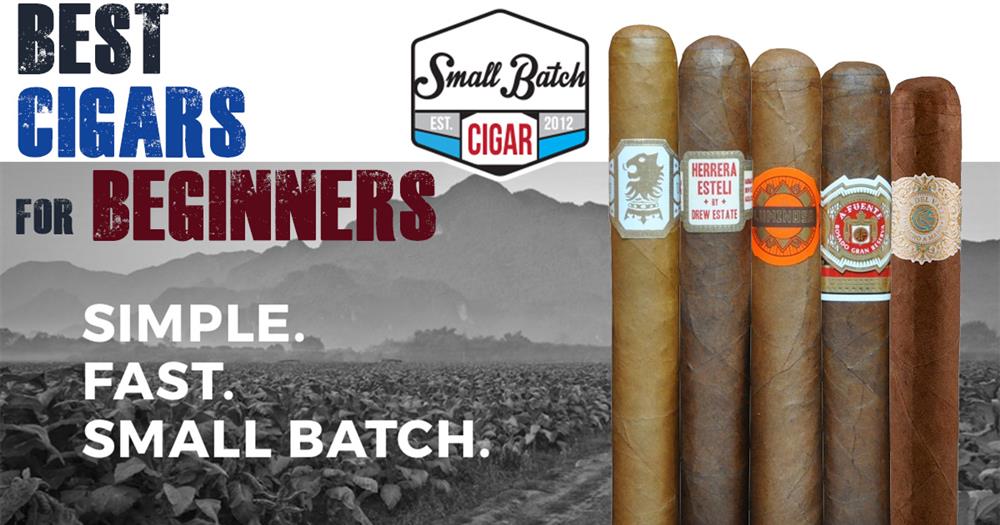
On a much larger scale, Arturo Fuente’s factory produces many different labels (one of the largest non-Cuban brands on the planet) and yet still maintains that signature Fuente flair. They have a saying that Only Fuente is Fuente, and they’re right. Fuente fans could spend years smoking only Fuente cigars and be happier than Andrew running a marathon with an ash tray!
Smoked a Padron that set your changed your world view? Chances are that another Padron is exactly what the Doctor ordered! We could go on and on with brands that have similarities within themselves but remember: people that produce cigars are just like us in that they have likes and dislikes. And, like we would, they create cigars that they enjoy smoking.
Discover the Country of Origin
If all other clues fail you, knowing the country that produced most of the tobacco in your cigar may be all that you need. Cuban, Nicaraguan, Dominican, and Honduran puros (cigars comprised of tobacco exclusively from one country) all bear the tell-tale signs once you know what to look for. Here are some examples:
- Cuba produces milder cigars with an iconic Cuban Twang that tastes like sourdough bread
- Nicaragua produces very rich, complex, and bold cigars
- The Dominican Republic produces cigars with a natural sweetness and Dominican flair
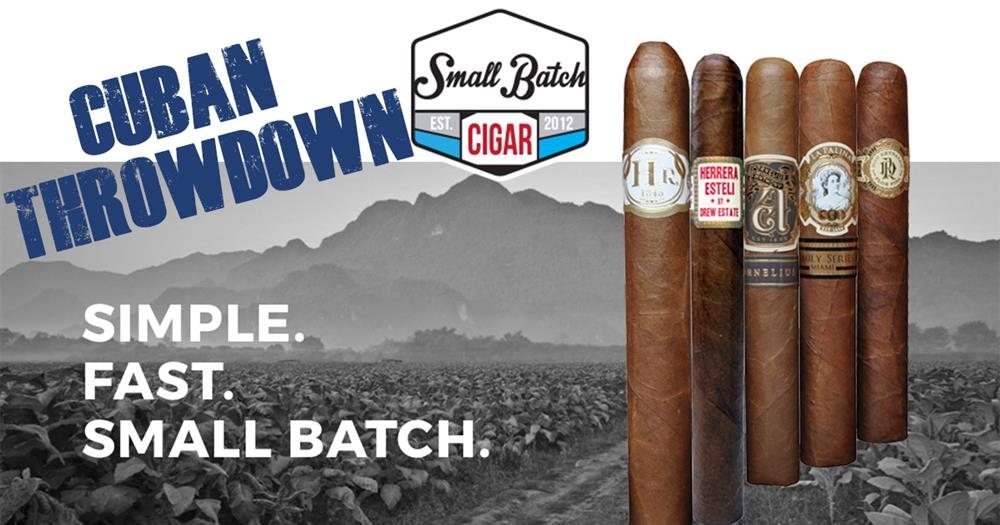
Cuban and Dominican puros seem to share the most in common, so if the cigar that started your quest came from either of these countries you can't go wrong trying another one. Still looking for your next cigar? We'd love to chat, just send us an email!
Have any other tips? Share below and join the conversation!


Leave your comment